
Understanding the Karate Belt System: A Comprehensive Guide for Beginners


Introduction to the Karate Belt System
Karate is not just a martial art; it's a journey of self-discipline, respect, and growth. One of the most recognizable aspects of this journey is the karate belt system. This system not only signifies a student’s progression but also their commitment to the art. Understanding the belt system is crucial for beginners eager to embark on their karate journey.

The Origin of Karate Belts
The concept of colored belts was introduced by Jigoro Kano, the founder of Judo, to denote rank and progress. Karate adopted this system to symbolize the various stages of a practitioner's development. Each belt color holds significance, reflecting the skills and knowledge acquired at each level.
The belt colors are not just random; they represent the philosophy and tradition behind martial arts. From white to black, each color represents a step closer to mastering the art, both physically and mentally.
Belt Colors and Their Meanings
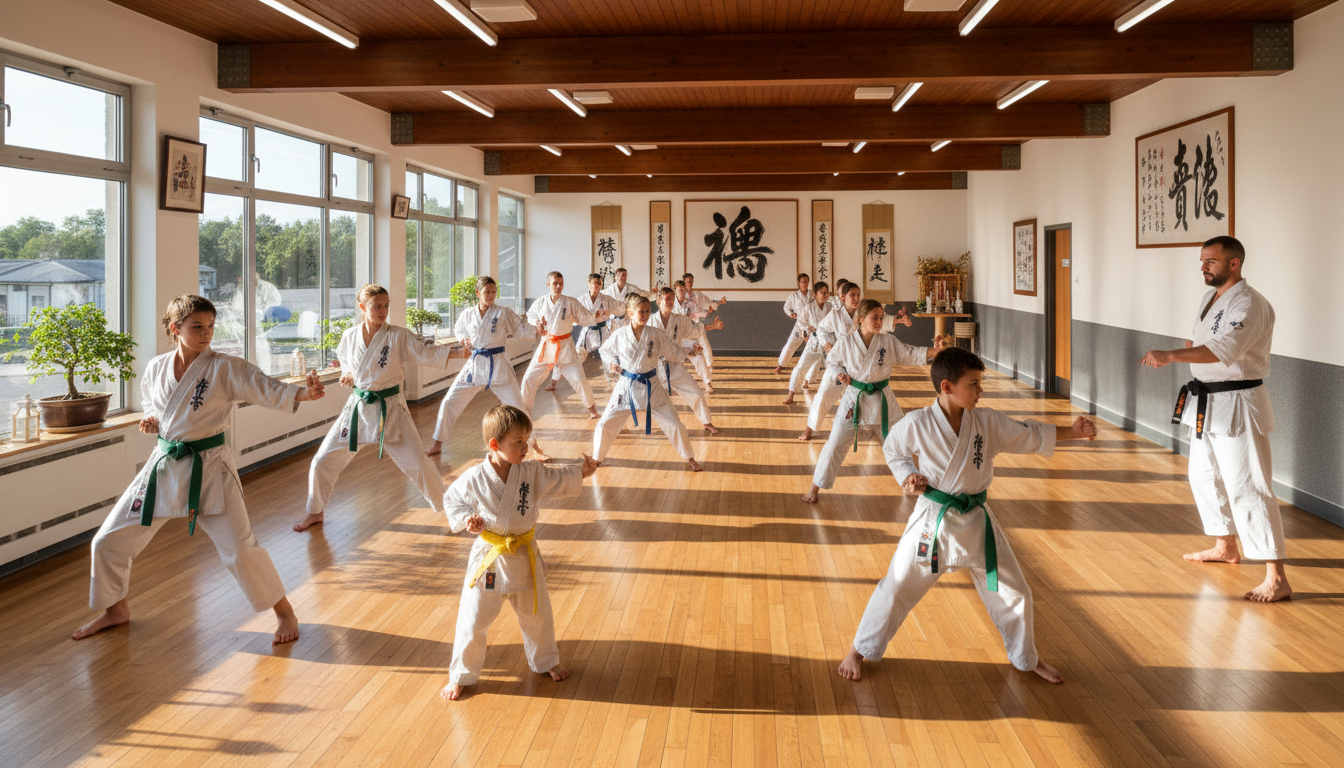
The journey begins with the white belt, symbolizing purity and the start of a new adventure. As students progress, they encounter various other colors, each with its own meaning:
- Yellow Belt: Represents the first rays of sunlight and the initial growth of understanding.
- Orange Belt: Signifies the strengthening of foundation and increased confidence.
- Green Belt: Denotes growth and the development of skills.
- Blue Belt: Symbolizes the sky and continued expansion of knowledge.
- Purple Belt: Reflects a deepening understanding and refinement of techniques.
- Brown Belt: Represents maturity and readiness for more advanced training.
- Black Belt: The culmination of hard work and dedication, symbolizing mastery and the beginning of a new journey.
Progressing Through the Ranks
Advancement through the karate belt system is not just about physical prowess; it involves mental discipline, respect, and perseverance. Each dojo may have slightly different criteria, but generally, progression includes mastering specific techniques, kata (forms), and sparring skills.
The time it takes to progress varies from student to student. Consistent practice, dedication, and a willingness to learn are essential for moving up the ranks. Remember, the journey is as important as the destination.
Testing and Evaluation
Promotion to a higher belt involves a formal testing process where students demonstrate their skills and understanding. This often includes performing kata, executing techniques with precision, and sometimes sparring. The evaluation is conducted by higher-ranking instructors who assess the student's readiness for the next level.

The Philosophy Behind the Belts
Beyond the physical aspects, the karate belt system embodies a deeper philosophical journey. It encourages students to cultivate qualities like humility, patience, and respect for others. Each belt level not only marks physical achievements but also personal growth and the development of character.
Karate teaches that the path to mastery is ongoing. Even after reaching the coveted black belt, practitioners are encouraged to continue learning and refining their skills. The journey in karate never really ends; it just evolves.
Conclusion
Understanding the karate belt system provides beginners with a roadmap of what to expect and strive for in their martial arts journey. It is a structured way to track progress and celebrate achievements while instilling important life values. Whether you are just starting or have been practicing for years, the belt system is an integral part of the rewarding journey in karate.