
Common Misconceptions About Karate: Debunking Myths and Misunderstandings


Understanding Karate: More Than Just a Fighting Technique
Karate is often seen as a mysterious martial art, shrouded in myths and misconceptions. Many people view it as merely a form of combat or self-defense, but in reality, karate is a multifaceted discipline that encompasses physical, mental, and spiritual growth.
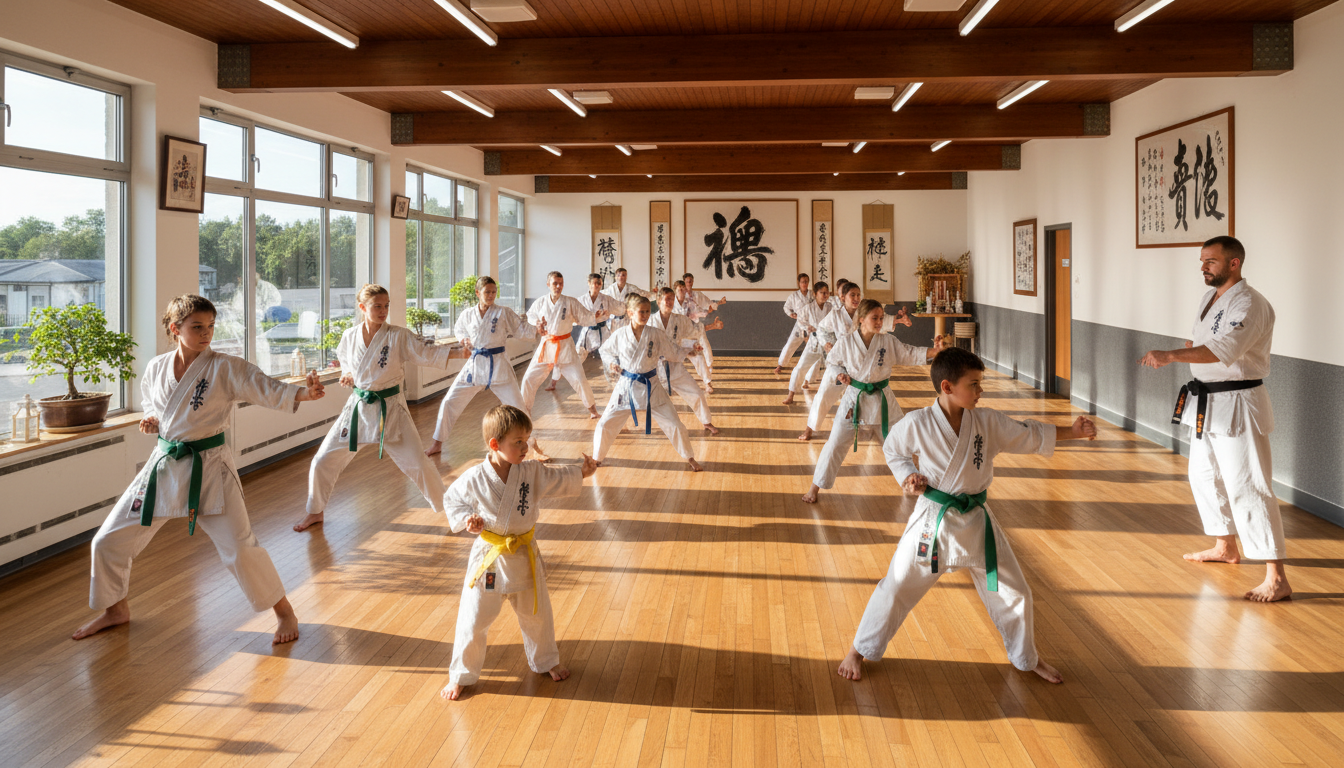
This blog post aims to debunk some of the common myths surrounding karate, providing a clearer understanding of this ancient practice. Whether you’re a beginner or someone interested in martial arts, this guide will offer valuable insights.
Myth 1: Karate Is All About Fighting
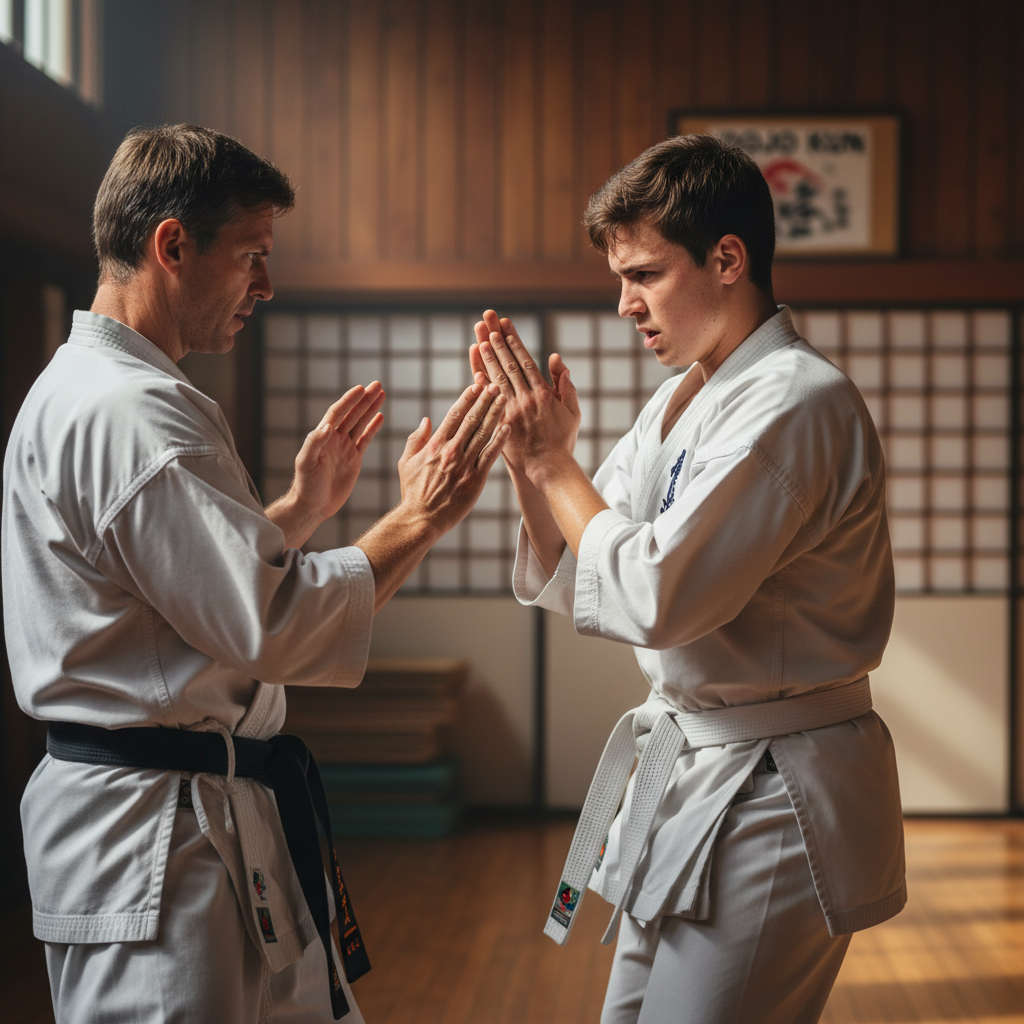
A prevalent misconception about karate is that it is solely focused on fighting. While self-defense is a component, karate is primarily about personal development. It emphasizes respect, discipline, and self-control, teaching practitioners to avoid confrontation when possible.
In fact, martial artists often use the skills gained through karate to enhance their confidence and self-awareness. The primary aim is not to engage in physical conflict but to cultivate a strong, balanced character.
Myth 2: Karate Is Only for the Young and Athletic
Another common misunderstanding is that karate is suitable only for young, athletic individuals. In reality, karate is accessible to people of all ages and fitness levels. It can be adapted to meet individual needs, making it a lifelong practice that promotes health and wellness.
Many dojos offer classes catering to different age groups, ensuring that everyone can benefit from the physical and mental advantages of karate training.
Myth 3: Karate Is a Quick Path to Self-Defense Mastery
Some people believe that karate provides a fast track to becoming a self-defense expert. However, mastery of karate requires dedication, time, and consistent practice. It involves learning complex techniques and honing skills over years of training.
While beginners may quickly learn basic moves, true proficiency and the ability to apply these techniques effectively in real-life situations take time and persistence.
Myth 4: All Karate Styles Are the Same
Karate is not a monolithic discipline. There are numerous styles, each with its unique characteristics, techniques, and philosophies. Popular styles include Shotokan, Goju-Ryu, and Shito-Ryu, among others.
- Shotokan: Known for its powerful linear techniques and deep stances.
- Goju-Ryu: Combines hard striking with circular movements and grappling techniques.
- Shito-Ryu: Emphasizes precision and speed, incorporating elements from other styles.
Understanding the diversity within karate can help practitioners choose a style that aligns with their personal goals and interests.
Conclusion: Embracing the True Essence of Karate
By debunking these common misconceptions, we hope to illuminate the true essence of karate as a comprehensive martial art. It’s not just about physical prowess but a journey toward personal growth, discipline, and harmony.
Whether you are considering starting karate or are already on your journey, remember that it’s a path of lifelong learning and self-improvement. Embrace the challenges and enjoy the rewards that come with this enriching practice.